Train, postbus, boat, Swiss Travel Pass and panoramic trains: the complete guide to getting around Switzerland easily and choosing the right pass.
Switzerland has one of the most efficient public transport networks in the world. Trains, postbuses, boats and cable cars form an integrated, punctual and well-coordinated system. This guide explains how to get around Switzerland, which pass to choose and how to enjoy the famous panoramic trains.
Transport in Switzerland at a glance
- Train (SBB): the backbone of the country, fast and punctual.
- Postbus: serves the valleys and mountain villages.
- Boat: cruises and regular lines on the large lakes.
- Cable cars: aerial cableways and cogwheel trains to the summits.
- Swiss Travel Pass: a single ticket for the whole network.
The train, the backbone of the country
The SBB network connects cities, lakes and mountains with exemplary regularity. Connections are planned "to the minute": you switch easily between train, postbus and boat. No car is needed to visit Switzerland: most tourist sites are reachable by public transport.
The Swiss Travel Pass: who is it for?
The Swiss Travel Pass is the flagship pass for visitors: it offers unlimited travel by train, postbus and boat, entry to many museums and discounts on cable cars. It comes in 3, 4, 6, 8 or 15-day versions, consecutive or flexible. For a touring trip, it simplifies everything and can prove economical.
- Half Fare Card: worthwhile for longer stays, halves the price of tickets.
- Day passes: handy for days with lots of travel.
- Point-to-point tickets: suitable if you move around little.
The panoramic trains
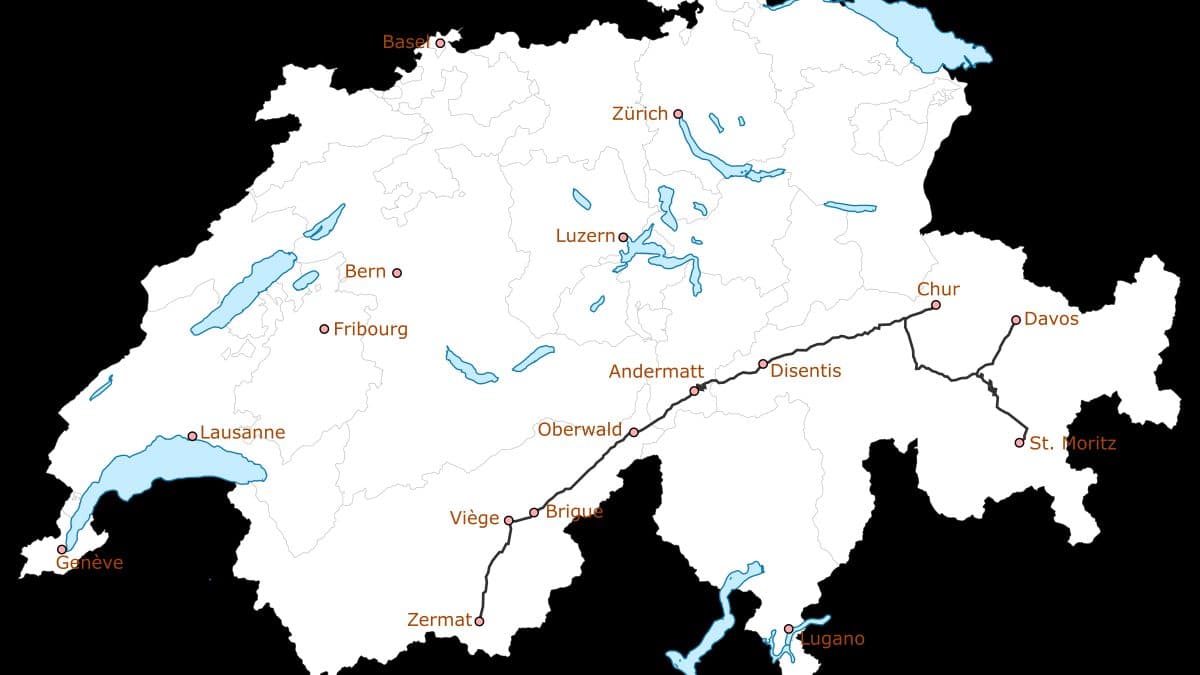
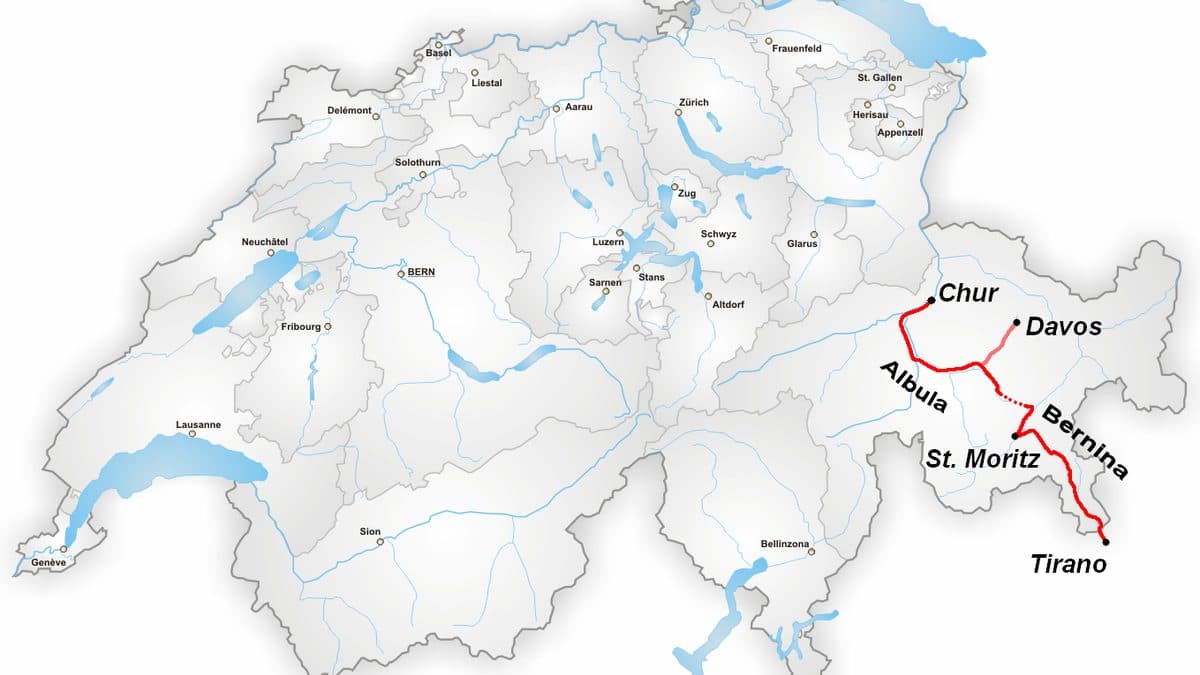
Beyond transport, some journeys are attractions in their own right: the Glacier Express (Zermatt–St. Moritz), the Bernina Express (towards Italy over spectacular viaducts) and the GoldenPass (Lucerne–Montreux). Reservation is advised, and the Swiss Travel Pass generally covers the route (excluding the panoramic supplement).
Practical tips
- Apps: the SBB app makes timetables, tickets and connections easy in real time.
- Punctuality: arrive a few minutes early; trains leave right on time.
- Luggage: a luggage transport service between stations exists.
- Car: useful for some remote regions, but often unnecessary elsewhere.
Which choice for your trip?
For a short, very mobile stay, the Swiss Travel Pass is ideal. For a longer or more static stay, the Half Fare Card or point-to-point tickets may be enough. Compare based on your itinerary and the number of journeys planned.
Plan your travels with TOP SUISSE
With TOP SUISSE, find all the businesses and services near the stations and your stops. Browse the categories, run a search by city, explore the cities to connect, book a table on arrival via the restaurants category, or read our guides to the cities to visit and the most beautiful hikes.
Frequently asked questions
Do you need a car to visit Switzerland?
No, in most cases. The network of trains, postbuses and boats serves the bulk of tourist sites, including in the mountains. A car can be useful for a few remote regions, but it is often unnecessary.
Is the Swiss Travel Pass worth it?
For a touring trip with lots of journeys, yes: it covers train, postbus and boat, gives access to many museums and discounts cable cars. For a more static stay, the Half Fare Card or point-to-point tickets may be more economical.
What are the most beautiful panoramic trains in Switzerland?
The Glacier Express (Zermatt–St. Moritz), the Bernina Express (towards Italy over spectacular viaducts) and the GoldenPass (Lucerne–Montreux) are among the most famous routes. Seat reservation is recommended.
Are Swiss trains really punctual?
Yes. Punctuality is a benchmark: trains leave right on time and connections are calculated tightly. Arrive a few minutes before departure so you don't miss your train.